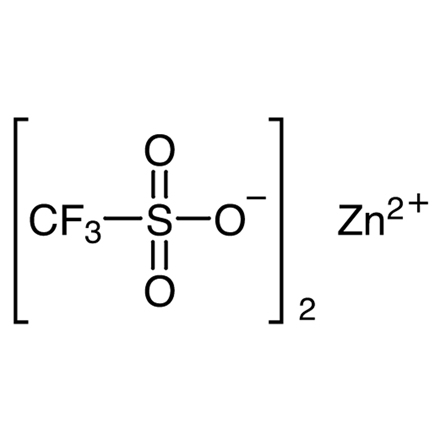
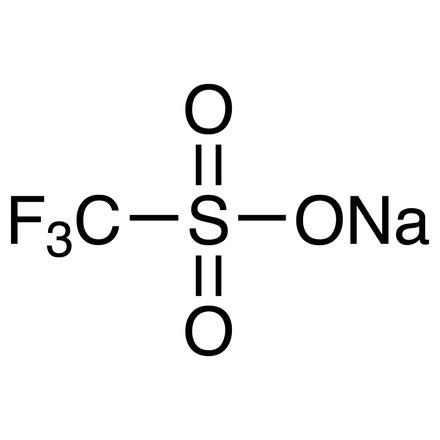
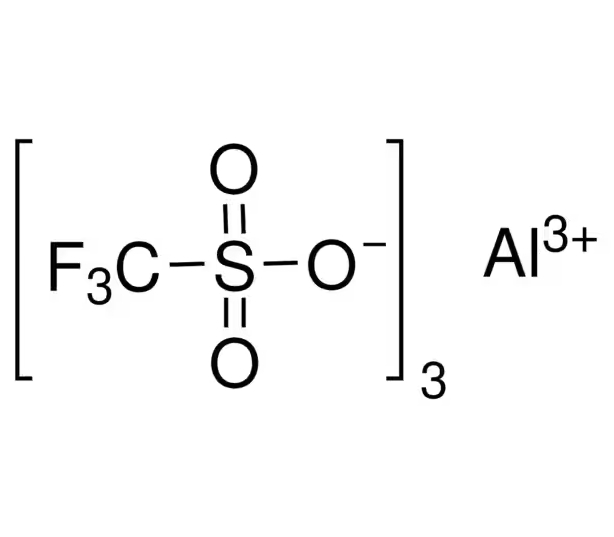
1. Product Introduction:
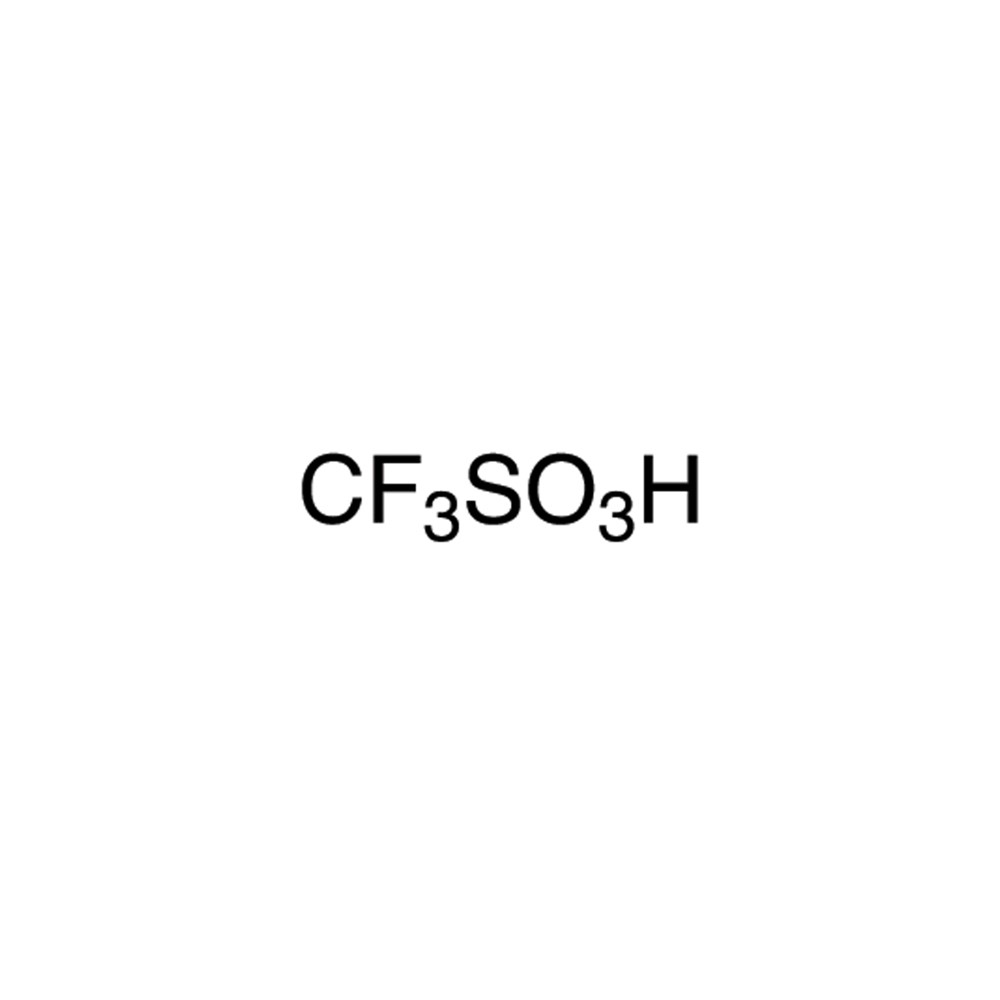
Trifluoromethane sulfonic acid, as one of the superacids, is extremely stable in both oxidation
reduction reactions and can be used as a catalyst for polymerization, esterification, coagulation,
dehydration, and other reactions. It is widely used in the plastic industry, fuel industry,
pharmaceutical industry, synthesis of herbicides and growth regulators, synthesis of vitamins, and
sugar industry.
2. Product Features:
Strong acidity;
Stability: Trifluoromethane sulfonic acid and its conjugate base will not undergo oxidation or
reduction reactions;
No sulfonation reaction, no reaction with solvents;
3. Product attributes :
CAS:1493-13-6
MF:CHF3O3S
MW:150.08
Appearance: Transparent liquid
Boiling point: 162°C
Density: 1.696 g/mL
Vapor density: 5.2 (vs air)
Flash point: None
Melting point: -40°C
4. Product application range:
(1)Can be used in materials science: In the field of polymer materials, it can be used in the
synthesis and modification of polymers. For example, it serves as a catalyst in oligomerization
and polymerization reactions, and can also be used in the modification of silicone rubber, etc.
(2) Can be used in pharmaceutical synthesis: In the pharmaceutical field, it is an important reagent
for the synthesis of various pharmaceutical intermediates, and can be applied to the
preparation of drugs such as nucleosides, antibiotics, and steroids
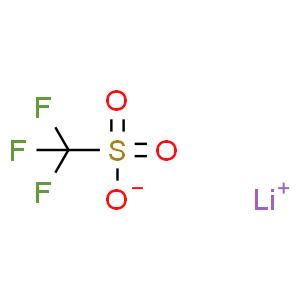
(3)Can be used in lithium batteries: The lithium salt of trifluoromethanesulfonic acid (lithium
trifluoromethanesulfonate) is an important component of lithium battery electrolytes, which
helps to improve the electrochemical performance and stability of the electrolytes.
5. Product storage and transportation:
Trifluoromethanesulfonic acid is one of the strongest organic acids. Contact with eyes will cause
severe eye burns and may lead to blindness. Contact with skin will result in severe chemical burns
and delayed severe tissue damage. Inhaling its vapor can cause severe convulsive reactions,
inflammation, and edema. Ingestion will cause severe burns to the digestive tract. Therefore, even
when handling small amounts, appropriate protective equipment (such as goggles, acid- and alkali
resistant gloves, and gas masks) and good ventilation facilities are required.
6. Product safety and precautions:
Adding trifluoromethanesulfonic acid to polar solvents will release heat due to dissolution. This
intense exothermic effect is similar to that of dissolving sulfuric acid in water. However,
dissolving it in polar solvents is inherently more dangerous than dissolving sulfuric acid in water.
The strong heat release may cause the solvent to volatilize or even explode. Therefore, dissolving
large amounts of trifluoromethanesulfonic acid in organic solvents should be avoided. When it is
indeed necessary to do so, the dropping rate must be controlled, and sufficient stirring, good
ventilation, and possible cooling exchange devices must be ensured to remove the generated heat
as fully as possible.

 +86 15914124590
 WeChat
 WhatsApp